ADA-Compliant Concrete Sidewalks: What Property Owners Need to Know
Property owners seeking ada-compliant concrete sidewalks aim to ensure accessibility and safety; local contractors can help design and build compliant, functional walkways.
Property owners in the area who are considering sidewalk improvements or new installations will find it helpful to understand the essentials of ada-compliant concrete sidewalks: what property owners need to know. Ensuring sidewalks meet accessibility standards is not only a matter of compliance but also a practical step toward making properties more welcoming and navigable for all visitors. Local contractors experienced in sidewalk construction can help navigate the specific requirements, offering solutions that balance functionality with durability, and making it easier to meet community guidelines and accessibility laws.
Exploring this topic is especially relevant for property owners with ongoing or upcoming development projects, renovations, or property upgrades. ADA-compliant sidewalks can improve safety and accessibility for everyone, including those with mobility challenges. Service providers in the area specialize in constructing sidewalks that adhere to the necessary standards, providing property owners with options that support compliance and enhance the overall usability of their outdoor spaces. Keep reading to learn more about what to consider when planning for accessible sidewalk construction.
- ADA-compliant sidewalk construction - property owners planning to upgrade existing walkways or install new accessible paths can rely on local contractors to ensure compliance with ADA standards.
- Sidewalk repair and replacement - when sidewalks become cracked, uneven, or hazardous, local service providers can replace or repair them to meet accessibility requirements.
- Concrete sidewalk installation - property owners seeking to create accessible routes can work with local pros skilled in pouring and finishing ADA-compliant concrete sidewalks.
- Accessibility improvements for commercial properties - business owners looking to enhance curb appeal and accessibility can find local contractors experienced in ADA sidewalk modifications.
- Code compliance upgrades - property owners needing to bring existing sidewalks up to current ADA standards can connect with local pros experienced in ADA-compliant concrete sidewalk projects.
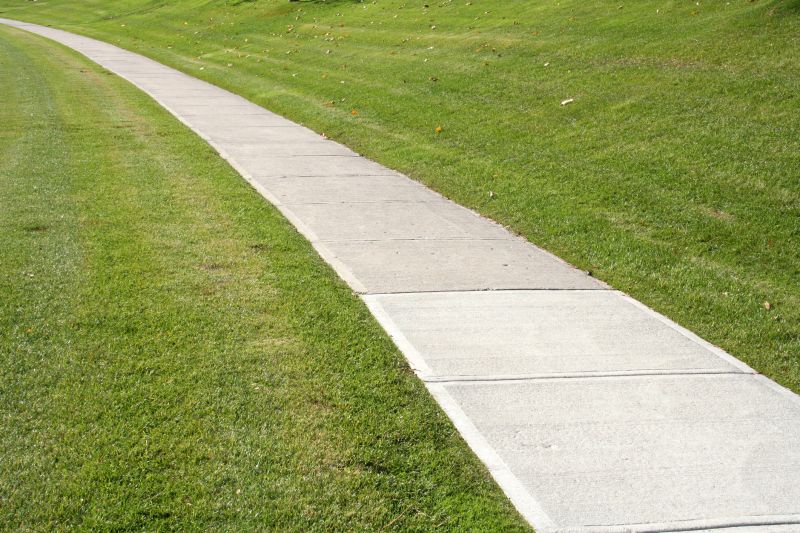
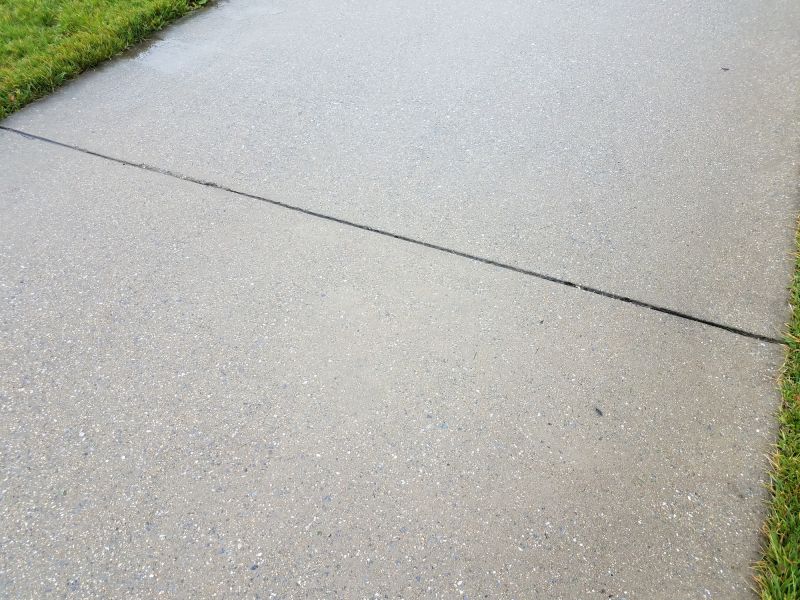
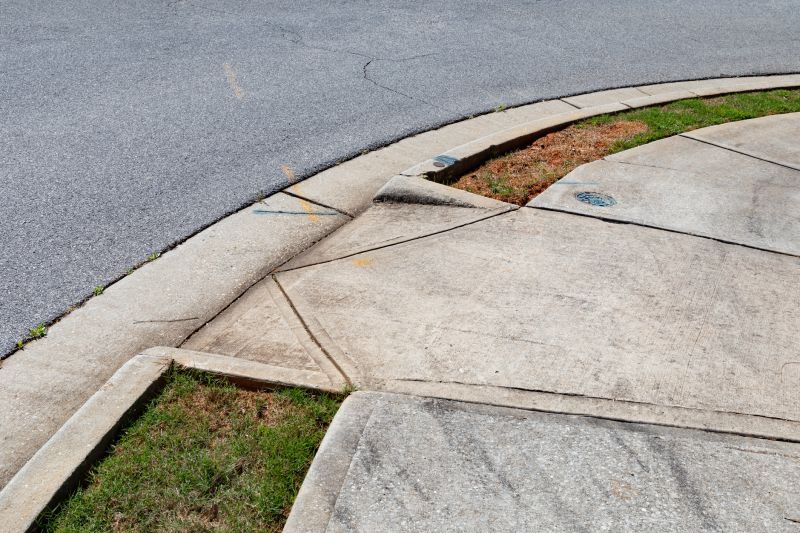
When property owners search for information about ada-compliant concrete sidewalks, they are often looking to understand how to make outdoor pathways accessible and safe for everyone. This includes ensuring sidewalks are designed and constructed in accordance with the Americans with Disabilities Act (ADA) standards, which specify features like proper slope, width, and surface texture. Property owners might be planning renovations, new construction, or upgrades to existing sidewalks to improve accessibility for visitors, residents, or employees. The goal is to create a walkway that accommodates individuals with mobility challenges, including those using wheelchairs, walkers, or other assistive devices, while also complying with legal requirements.
These projects typically relate to issues such as uneven surfaces, narrow pathways, steep slopes, or obstacles that hinder wheelchair access. Property owners often consider installing or replacing sidewalks to prevent potential legal liabilities and to foster inclusivity. Planning for ada-compliant concrete sidewalks involves understanding specific design standards, such as the maximum slope allowed, the need for curb ramps, and the importance of slip-resistant surfaces. Local service providers who specialize in ADA-compliant sidewalk construction can assist property owners by ensuring that these features are integrated correctly, helping to avoid costly modifications later and ensuring the project meets all relevant guidelines.
The types of properties that frequently come up in discussions about ada-compliant sidewalks include commercial properties like retail centers, office parks, and government buildings, as well as multifamily residential complexes, parks, and community centers. Residential homeowners may also seek this type of work when making their properties more accessible for elderly family members or individuals with disabilities. These projects often involve both upgrading existing pathways that no longer meet standards and designing new sidewalks that seamlessly blend into the property’s landscape. Local contractors experienced in accessible sidewalk construction understand the unique considerations for each property type, ensuring the finished project provides safe, functional access for all users.
Connecting with local service providers who specialize in ADA-compliant concrete sidewalks can help property owners navigate the complexities of accessibility requirements. These professionals bring expertise in proper slope, surface texture, and curb ramp installation, making sure the project adheres to ADA standards. Whether a property owner is updating an aging sidewalk or designing a new accessible pathway from the ground up, working with experienced contractors can help ensure the project’s success. By focusing on local pros, property owners can find the right partners to handle the technical aspects and create accessible outdoor spaces that meet legal standards and improve overall usability.
Sidewalk Repair and Replacement - local contractors who specialize in sidewalk repair often handle ADA-compliant modifications to ensure accessibility standards are met during upgrades or replacements.
Concrete Paving and Resurfacing - paving projects require precise planning and tools similar to those used in sidewalk construction to create level, accessible surfaces.
Curb and Ramp Installation - installing accessible curb ramps involves similar skills in concrete work and planning to ensure compliance with ADA guidelines.
Accessible Pathway Construction - building accessible walkways and pathways requires expertise in surface leveling and smooth finishes, akin to ADA-compliant sidewalk projects.
Drainage System Installation - proper drainage planning and installation are essential for accessible sidewalks to prevent pooling and maintain safety.
Landscape Grading and Site Preparation - site preparation skills are necessary for creating level, accessible surfaces that meet ADA standards before concrete installation.
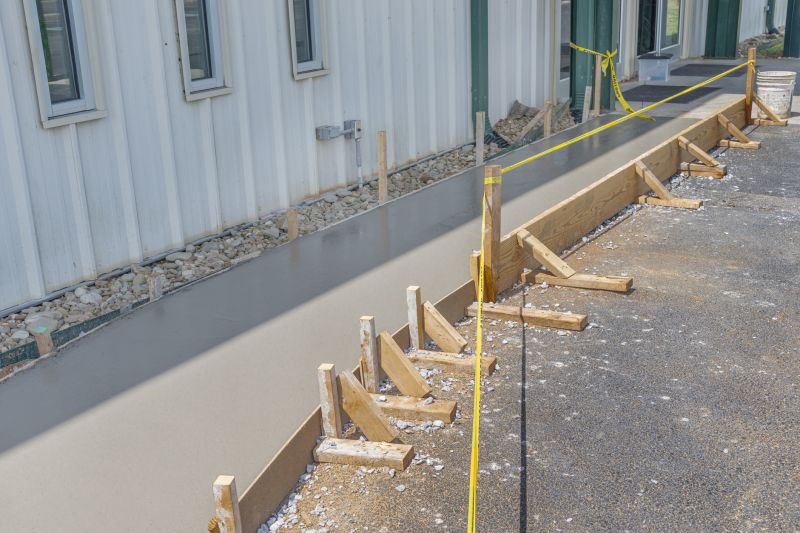
When evaluating service providers for ADA-compliant concrete sidewalks, it is important to consider their experience with similar projects. Homeowners should seek out contractors who have a history of successfully completing sidewalk installations that meet accessibility standards. An experienced local contractor will be familiar with the specific requirements for ADA compliance, including proper slope, width, and surface finish, ensuring the project adheres to regulations and functions effectively for all users. Verifying the types of projects a contractor has handled can provide insight into their familiarity with the unique challenges and best practices associated with sidewalk construction for accessibility.
Clear, written expectations are essential when choosing a contractor for ADA-compliant sidewalk work. Homeowners should request detailed proposals that outline the scope of work, materials to be used, and specific standards to be met. A well-documented plan helps prevent misunderstandings and ensures everyone is aligned on project goals. Reputable service providers will be transparent about their approach and willing to provide documentation or references that confirm their understanding of ADA requirements. This clarity can help property owners feel confident that the finished sidewalk will be compliant and durable.
Good communication and reputable references are key factors in selecting a dependable service provider. Homeowners should seek out contractors who are responsive and willing to answer questions throughout the process, providing updates and explanations as needed. Additionally, requesting references from previous clients who had similar ADA-compliance projects can offer valuable insights into the contractor’s reliability, quality of work, and professionalism. Building a relationship with a contractor who communicates clearly and has a track record of satisfied clients can contribute to a smoother project experience and a final result that meets accessibility standards effectively.
Property owners often search for ada-compliant concrete sidewalks: what property owners need to know when they are planning practical projects around their homes and businesses. Local pros provide ADA-Compliant Sidewalk Construction services for everyday jobs and straightforward project options.
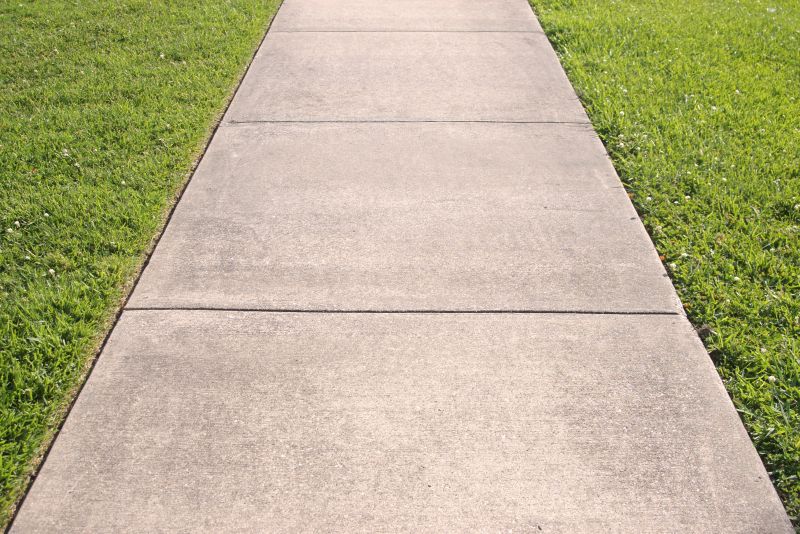
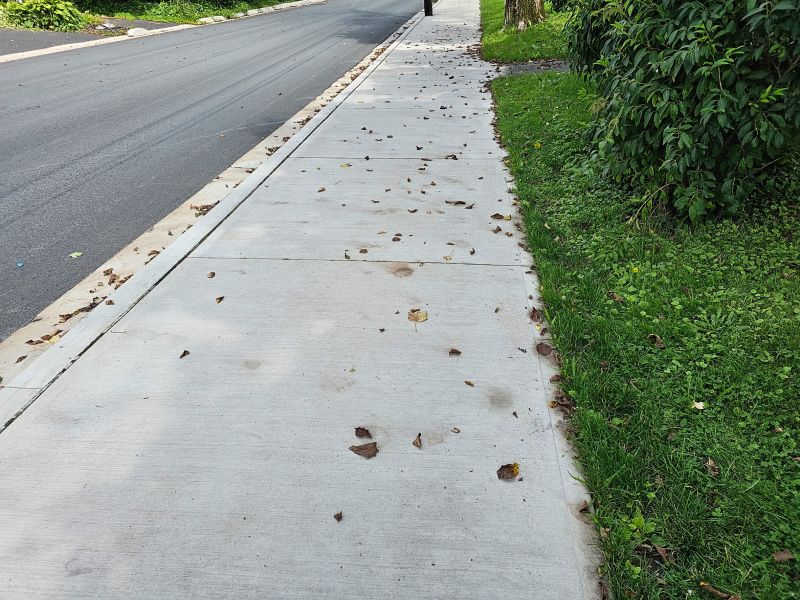
Understanding the importance of ADA-compliant concrete sidewalks is essential for property owners who want to ensure accessibility and safety around their premises. Whether planning a new sidewalk installation or upgrading existing pathways, everyday situations such as accommodating visitors with mobility challenges or complying with local regulations often prompt property owners to explore this topic. Local contractors who specialize in ADA-compliant sidewalk construction can provide guidance on design features like proper slope, tactile warnings, and appropriate curb ramps, helping property owners meet accessibility standards while maintaining a functional and welcoming environment.
Property owners might also look into ADA-compliant sidewalk services when undertaking renovations or improvements to their properties. Simple reasons include making sure pathways are accessible for everyone, reducing potential liability, and enhancing the overall appearance of public or private spaces. Local service providers experienced in this area can handle the specifics of concrete work, ensuring that sidewalks are built or modified to meet ADA guidelines. Connecting with these professionals can help property owners navigate the requirements and ensure their sidewalks are both compliant and durable for everyday use.
What are the key features of ADA-compliant concrete sidewalks? ADA-compliant concrete sidewalks include features such as appropriate slope, tactile warning surfaces, and accessible curb ramps to ensure safe and easy access for all users.
Why is proper slope important for ADA compliance? Proper slope, typically a maximum of 1:12, helps prevent tripping hazards and ensures wheelchair users can navigate the sidewalk comfortably and safely.
How do local contractors ensure sidewalks meet ADA standards? Local contractors assess site conditions, follow ADA guidelines for slope and surface texture, and incorporate necessary features like curb ramps and tactile indicators during construction.
What materials are recommended for ADA-compliant sidewalks? Durable, slip-resistant concrete with textured surfaces is recommended to meet ADA standards and provide safe, accessible pathways.
Can existing sidewalks be made ADA-compliant? Yes, local service providers can modify or retrofit existing sidewalks by adding ramps, adjusting slopes, or installing tactile warning surfaces to improve accessibility.
Understanding accessibility standards - property owners can work with local contractors to ensure sidewalks meet ADA guidelines for slope, width, and surface texture.
Planning for proper drainage - incorporating drainage solutions during sidewalk installation helps prevent water pooling and maintains accessibility.
Selecting slip-resistant surfaces - choosing concrete finishes that reduce slipping hazards can improve safety for all pedestrians.
Ensuring seamless transitions - contractors can design smooth, level transitions between sidewalks and entry points to enhance mobility.
If you are thinking about ada-compliant concrete sidewalks: what property owners need to know for a property, this guide is meant to help you understand this topic, the typical project types, and how different options might fit your plans.
When you are ready, you can use the quote form on this page to share a few details about your project. From there, local pros can review the basics and follow up with options that match what you have in mind.